Creative Insights Suite
Validate and optimize ad creatives, videos, and packaging using real time attention maps and emotional response tracking
Our Valuable Collaborators







3X
Faster Decisions
90%+
Accuracy
60%
Savings Per-Study
Over 90% Accuracy, Tested by MIT
Our Models have been verified by MIT, getting over 90% accuracy for our eye-tracking model.

What We Offer
We tell you exactly what the brain will notice, what it will ignore, and what to fix, before spending a single dollar on media
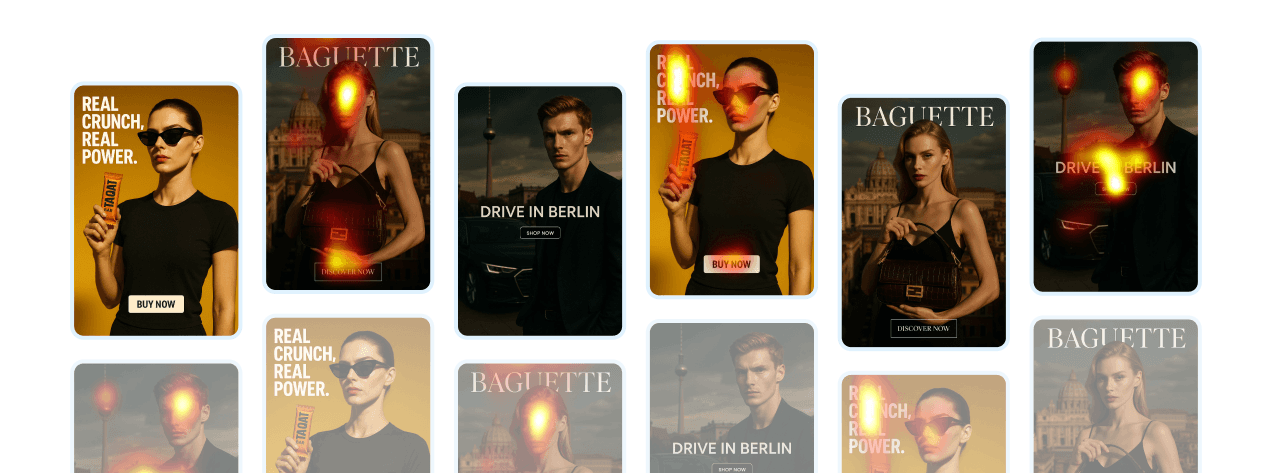
A/B Testing
Ads are compared side by side to evaluate performance and optimize ROI

Video Analysis
Audience attention, emotion, and message clarity are measured from uploaded videos

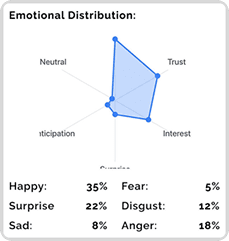
Emotional Tracking
Viewer emotions such as excitement, trust, or confusion are detected during ad exposure
AI Insights
Creative text, visuals, and emotional impact are analyzed to explain performance
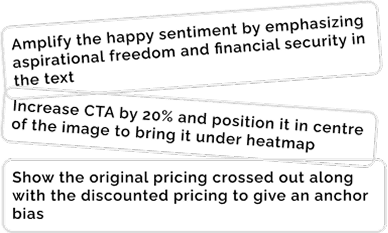
AI-Cognitive Engine
Advanced AI engine powering all analysis and insights

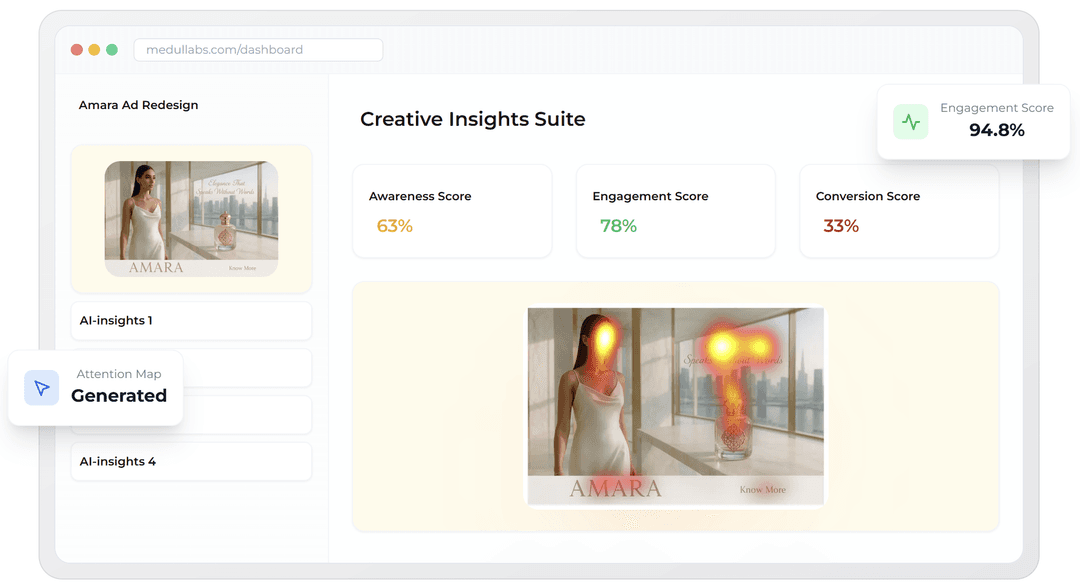
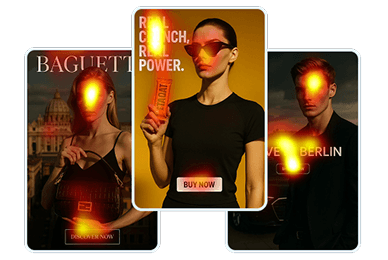
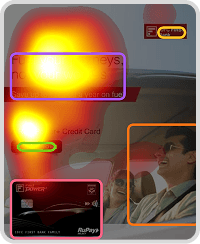
Heatmap
Viewer attention in the first 3-5 seconds is visualized using AI eye-tracking heatmaps
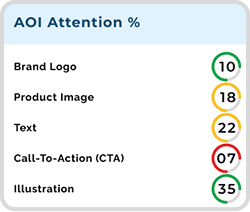
Attention Scores
Each creative element is scored based on how much attention it receives
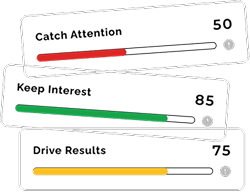
Performance Metrics
Creative effectiveness is measured to catch attention, keep interest or drive results
Area of Interests Detection
Key regions within the creative are automatically identified by our AI
Real-World Impact
See how consumer science insights have shaped major brand decisions
Tropicana(2009)
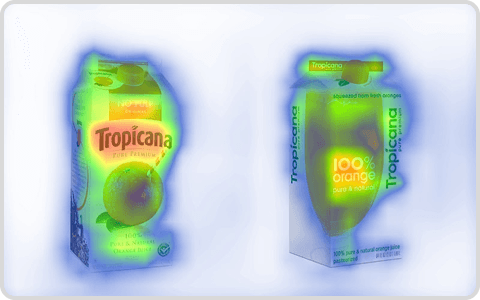
Tropicana invested $35 million in repackaging its orange juice, which turned out to be a failure. They changed their iconic "orange with a straw" picture into an uninteresting design, and positioned the logo on the side where one wouldn't notice it right away. Loyal customers got confused, sales went down 20% in two months, and Tropicana spent over $50 million to revert back to the old design.
💡Key Lesson: Brand Recognition is crucial in Branding!
Dolce & Gabbana
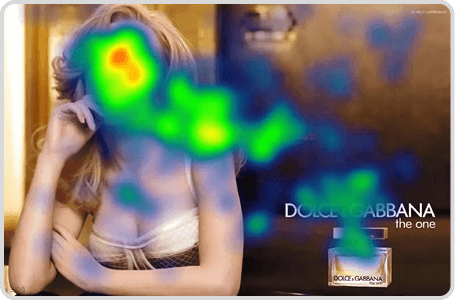
An eye tracking study of a Dolce & Gabbana ad featuring Scarlett Johansson showing that most people focused on her face and barely noticed the product. This shows how the celebrity's presence can overshadow the product and it also highlights the strategy of the brand in making use of the actor's image to give the fragrance an identity.
💡Key Lesson: Celebrity influence can dominate over the product itself!
Sunsilk
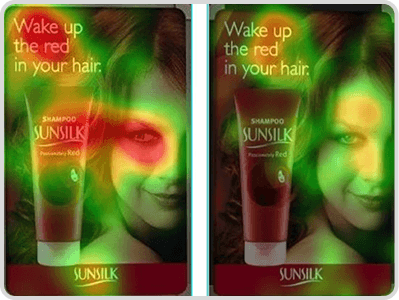
An eye tracking study on a Sunsilk print ad found that when the model looked directly at the viewer, people mostly ignored the product. But when the ad was redesigned and the model looked at the Sunsilk bottle, viewers followed her gaze and focused on the product. That became proof that minor design changes could make a huge difference in grabbing consumer attention.
💡Key Lesson: Minor design changes can dramatically increase ad effectiveness!